Book list · Editor's pick·Vol. 001·Fiction
Books to Understand Race in America
From slavery to the near future — six novels that cover what history textbooks flatten.
- Books
- 6
- race-in-america
- american-history
- civil-rights
- black-literature
- social-justice
Updated 2026-05-23
— Why read this list —
The novels on this list don't just describe American racial history. They make you feel it from inside.
Why These Six, and In This Order
We organized this list chronologically by the historical period each book covers, not by publication date. Kindred begins before the Civil War; Parable of the Sower ends in a near-future that Butler saw coming from 1993. Reading across this sequence is a different experience than reading any single book — you see not just individual moments but a through-line, the ways that historical structures persist and transform across eras.
The list is deliberately varied in perspective and in critical standing. Beloved is widely considered one of the greatest American novels. The Help has been extensively criticized for centering a white narrator in a story about Black women's labor and resistance. Both are here, and we've tried to be honest about what each contributes and what each obscures. Reading them in sequence makes both more legible.
These are novels, not histories. They don't provide dates, legislation, or comprehensive accounts of movements. What they provide is interiority — the lived experience of existing inside the systems that American racial history produced. That is not a substitute for historical knowledge, but it's not replaceable by it either.
What Fiction Can Do That History Cannot
A history textbook can tell you that the domestic service economy of the Jim Crow South was built on specific labor arrangements enforced by specific laws, customs, and violence. Hurston's Janie can show you what it felt like to live in a Black town in Florida in 1930 and to want something for yourself — not as evidence of oppression, not as a counter-argument, but simply as a full human being with desires and language.
Morrison can put you inside the consciousness of a woman whose experience of slavery was so extreme that it returned as a ghost — and make that ghost feel like the only realistic response to what actually happened, not a supernatural intrusion. Butler can make you feel, through a protagonist who is afraid and resourceful and building something from nothing, what it might look like to be a Black woman in an America that has shed its institutional pretenses.
These books are not easy. They require time and sustained attention. They are worth it.
The 6 books
In publication order
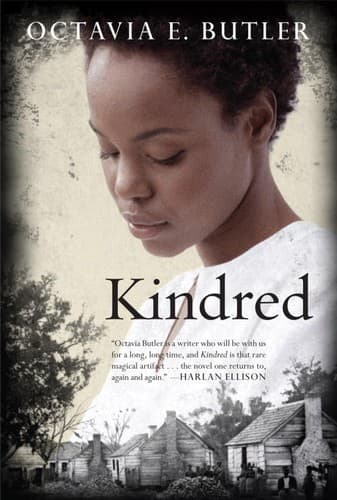
Book 1·Inside slavery, not above it
Kindred
Octavia E. Butler·1979
Covers the antebellum South, pre-Civil War. A Black woman from 1970s California is pulled backward in time to a Maryland plantation where she must keep her white ancestor alive to ensure her own existence. Butler uses science fiction to put a contemporary reader inside slavery in a way that no conventional historical novel achieves — the violence is neither distant nor aestheticized.
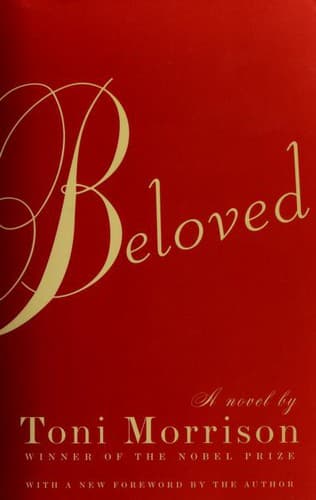
Book 2·What Reconstruction could not undo
Beloved
Toni Morrison·1987
Covers Reconstruction, 1870s. Morrison writes about slavery's aftermath — the psychological wreckage that emancipation could not undo, the grief that had no sanctioned form, the horror that returned as haunting. Beloved addresses what Reconstruction failed to address: that freedom without reckoning is not freedom. Morrison's prose demands patience and repays it completely.
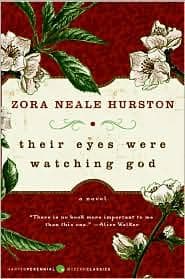
Book 3·Black interiority as primary subject
Their Eyes Were Watching God
Zora Neale Hurston·1937
Covers the Jim Crow South, early 20th century. Hurston wrote this during the Harlem Renaissance as a deliberate counter-argument to the protest novel: a Black woman's interior life, desires, and voice as primary subject, not as evidence of oppression. Her act of centering Janie's joy alongside her suffering was itself a political statement — and remains one.
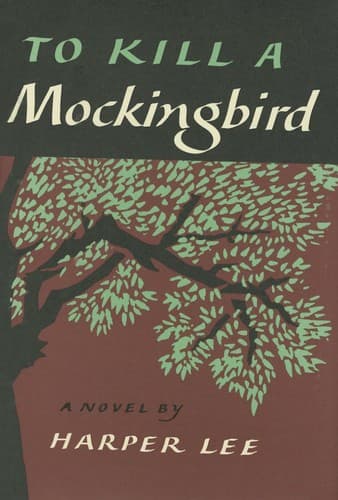
Book 4·White Southern self-understanding, examined
To Kill a Mockingbird
Harper Lee·1960
Covers Depression-era Alabama, 1930s. Lee's novel is positioned here not as the authoritative account of American racism — its limitations (white-perspective, white-savior structure) are real — but as a document of how white Southerners understood and taught themselves about their own system. That self-understanding is itself historically important, and the novel's emotional power is undeniable.
Book 5·An entry point, with limitations named
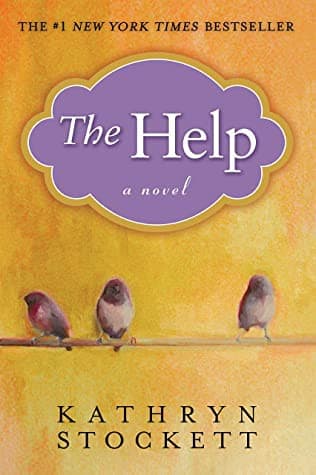
The Help
Kathryn Stockett·2009
Covers Civil Rights-era Mississippi, 1960s. The Help is a commercial novel with a white protagonist at its center, and its critical reputation has declined accordingly — it is placed here not as a model of representation but as a widely-read entry point to the specific dynamics of domestic labor and civil rights organizing in the Deep South. Read it alongside Hurston or Morrison for context.
Book 6·Race in American collapse, near-future
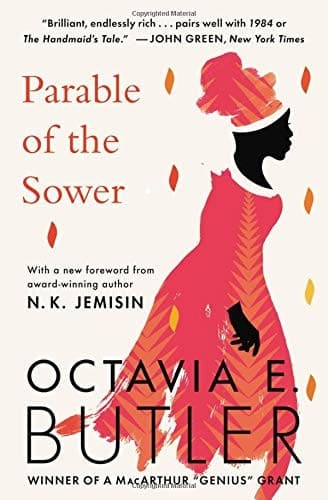
Parable of the Sower
Octavia E. Butler·1993
Near-future California, 2020s-2030s. Butler wrote this in 1993 imagining a collapsed America where race and class have become survival variables in a world of private security, gated communities, and roving violence. Her protagonist is a Black woman building a new religion and community in the ruins. Butler asks what race in America looks like after the institutions that manage it have failed.