Book list · Editor's pick·Vol. 001·Fiction
Books to Read After a Breakup
Six books that sit with you in the loss — and quietly help you rebuild.
- Books
- 6
- breakup
- heartbreak
- emotional-fiction
- grief
- relationships
Updated 2026-05-23
— Why read this list —
Not every breakup needs a self-help book. Sometimes a novel understands it better.
When You Don't Want to Be Fixed
Most breakup advice tells you what to do next: get out, stay busy, set new goals. That advice isn't wrong. But there's a phase before productivity, when you mostly just need to sit with what happened. The books on this list are for that phase.
None of these are self-help. None of them will tell you that everything happens for a reason or that you'll find someone better. They do something harder and more useful: they describe the interior experience of love, loss, and the strange time after with enough precision that you feel less alone in it. That recognition — someone saw this, someone named it — is its own kind of relief.
We've ordered the list loosely by emotional stage. Norwegian Wood and Gatsby are for the early, raw period, when you're still replaying the end. Never Let Me Go and Their Eyes Were Watching God are for the longer work of making meaning out of what happened. Of Mice and Men is for when you need to cry about something else. Beloved is for when you're ready to go somewhere demanding.
What These Books Have in Common
Every book here takes love seriously as a subject — not as backdrop, not as subplot, but as the actual territory the author is trying to map. That seriousness is what makes them useful. You're not being distracted from what you're feeling; you're being given better language for it.
They also share a quality of restraint. None of them are melodramatic about loss. Murakami underplays. Fitzgerald stays at a cool remove. Ishiguro buries his devastation in beautiful sentences. Steinbeck uses economy. That restraint is not coldness — it's respect. These writers trust you to feel what the scene is doing without being told how to feel it.
If you can only read one: start with Never Let Me Go. It is the gentlest of these books and the most precisely about the difficulty of holding onto something you know you have to let go.
The 6 books
In publication order
Book 1·The one that understands
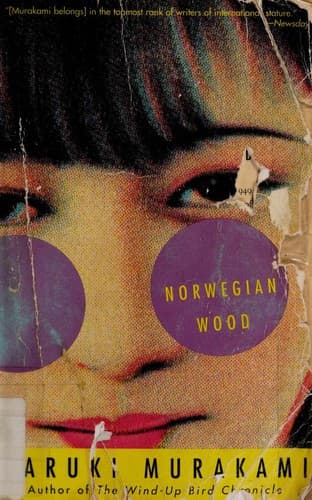
Norwegian Wood
Haruki Murakami·1987
Toru Watanabe is in his late teens, watching two people he loves fall apart. Murakami writes grief and longing without sentimentality — the novel's emotional precision comes from restraint, not drama. If you've just ended something long and deep, Norwegian Wood doesn't console you. It recognizes you.
Book 2·The warning against going back
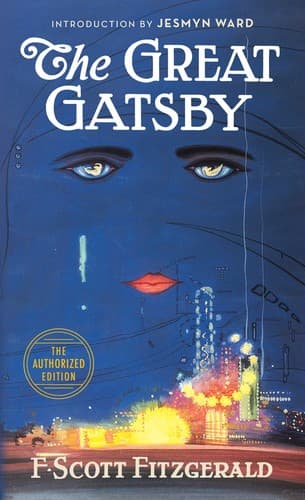
The Great Gatsby
F. Scott Fitzgerald·1925
Gatsby is a book about the refusal to accept an ending — about building your whole life around someone who is already gone. Fitzgerald is merciless about the cost of that refusal. Reading it post-breakup, you'll recognize every rationalization you're tempted to make, and maybe find it easier to put them down.
Book 3·For asking if it was worth it
Never Let Me Go
Kazuo Ishiguro·2005
Ishiguro's characters know from the beginning that their time together is finite. They love anyway, imperfectly, with full knowledge of the loss ahead. This book is for the phase when you're asking whether it was worth it — Ishiguro's quiet answer is yes, and here is why.
Book 4·The one about remembering yourself
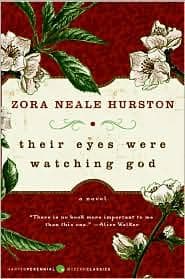
Their Eyes Were Watching God
Zora Neale Hurston·1937
Janie Crawford loses people, but she never loses herself — and Hurston makes that distinction the whole engine of the novel. This is the book for the moment you remember you had an identity before this relationship. It's warm, sharp, and deeply alive.
Book 5·Permission to grieve clearly
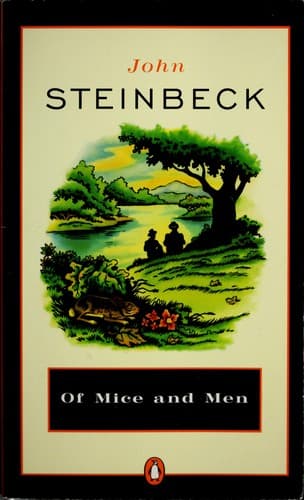
Of Mice and Men
John Steinbeck·1937
Steinbeck writes about the way tenderness and loss arrive together — how the things we love most are also the most fragile. It's short enough to read in a single evening, and the grief it produces is clean, specific, and somehow cathartic. A good book for when you need to cry without it being about you.
Book 6·For when you're ready to go deep
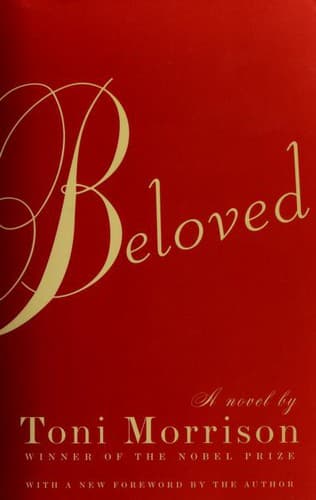
Beloved
Toni Morrison·1987
Morrison writes about love that survives its own destruction — love so fierce it becomes haunting. Beloved is not a comfort read, but it is a profound one. It belongs at the end of this list because it requires you to be ready for a book that takes the full weight of loss seriously and doesn't look away.