Book list · Editor's pick·Fiction
The Best Book Gifts for Graduation
Seven novels for a reader leaving one chapter and starting another.
- Books
- 7
- graduation
- gift-ideas
- young-adults
- coming-of-age
- seasonal-may-june
bibliotecas editorial
Updated 2026-05-25
— Why read this list —
A book given at graduation lands differently than one bought in a bookstore. It carries the weight of the moment, and the right title becomes the one the recipient remembers being given.
Who this gift is for
The graduate who will keep this book on a shelf for a decade is not necessarily the one who already loves to read. They are the one who is leaving a structured environment — high school, college, graduate school — for an unstructured one, and who is going to need something to hold onto when the structure goes away. A book given at graduation is partly a book and partly a marker: this is what someone thought of me, at this moment, and they thought I could handle it. That second function matters as much as the first. The right gift signals respect for who the recipient is becoming, not nostalgia for who they were in school.
How to pick from the list
Match the book to the specific transition. The Great Gatsby and The Catcher in the Rye are the safe canonical choices — give them when you do not know the graduate well but want to mark the moment seriously. Norwegian Wood is for the move to a new city. Parable of the Sower is for the politically aware graduate who is worried about the world they are entering. Their Eyes Were Watching God and A Wizard of Earthsea are for the graduate who has been told what to want and needs permission to choose differently. Siddhartha is the universal short option — almost any graduate can read it in a weekend and almost any graduate gets something from it. Inscribe the title page. The inscription is half the gift.
The 7 books
In publication order
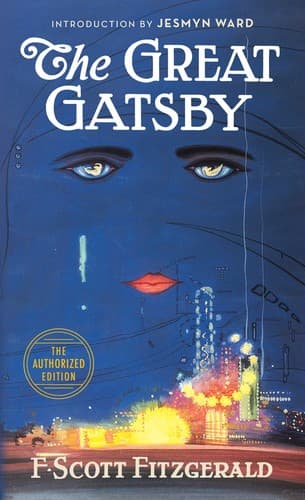
Book 1·The classic graduation gift
The Great Gatsby
F. Scott Fitzgerald·1925
The conventional graduation gift, and it earns the position. Gatsby is the novel about what happens to ambition when it gets attached to the wrong object, and graduates are exactly the readers who can absorb that warning while still believing the warning does not apply to them. It is short enough to actually be read between graduation and the first job, and its prose rewards a slow inscription on the title page. Give it to the graduate who is convinced the next chapter will look exactly how they have planned.
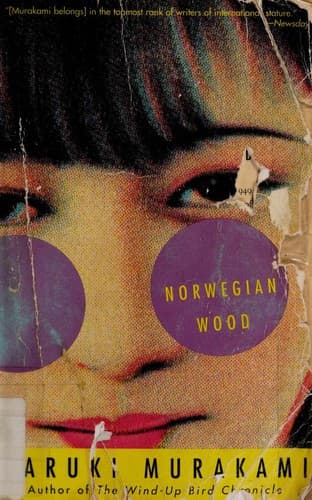
Book 2·For starting over in a new city
Norwegian Wood
Haruki Murakami·1987
For the graduate moving alone to a new city. Murakami's most realistic novel is about a college student carrying old griefs into a new life, and the loneliness of that transition is rendered without sentimentality. The book understands that the years right after a major ending are quieter and stranger than anyone warns you about. Give it to the graduate who is trying to be cheerful about the move but is privately worried about being on their own. It will not make them feel less alone, but it will make the loneliness feel observed.
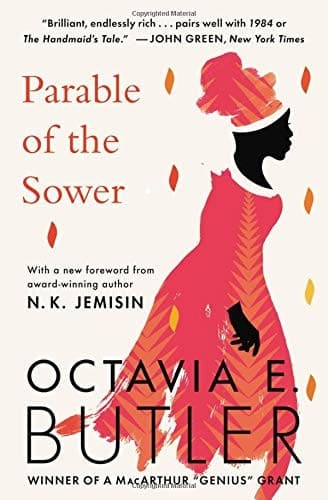
Book 3·For uncertain futures
Parable of the Sower
Octavia E. Butler·1993
For the graduate entering a world that looks less stable than the one their parents entered. Butler's teenage protagonist watches her gated community collapse and has to build a philosophy of survival in real time, which is closer to the actual experience of being twenty-two in this decade than most graduation reading admits. It is hopeful without being naive — the hope is built rather than given. Give it to the graduate who is already worried about the climate, the economy, and the political weather, and who needs a model of how to act anyway.
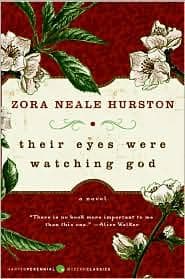
Book 4·For finding your own voice
Their Eyes Were Watching God
Zora Neale Hurston·1937
The graduation gift for the reader who is going to spend the next decade figuring out what they actually want — not what they were told to want. Janie's three marriages are a slow education in distinguishing other people's plans for her life from her own, and Hurston writes the realization scenes with extraordinary clarity. The book is also one of the great American novels of voice, which makes it a writer's gift as well as a reader's. Inscribe it for the graduate who is suspicious of the script they have been handed.
Book 5·For the spiritually restless
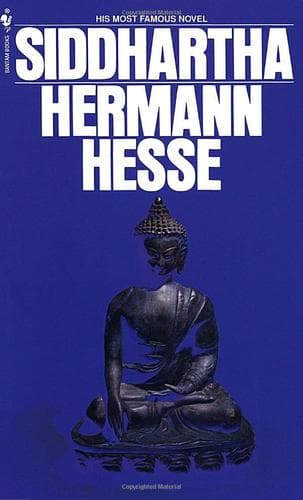
Siddhartha
Hermann Hesse·1922
The shortest book on this list and the one most likely to be read in a single sitting on a long flight or the first quiet weekend after the move. Hesse's spiritual parable about a young man who tries each available path — asceticism, pleasure, commerce, contemplation — before arriving at something his own is genuinely useful at twenty-two, when each of those paths still seems available and the pressure to choose is highest. Give it to the graduate who is feeling the weight of having to decide what kind of person to be.
Book 6·For the skeptical graduate
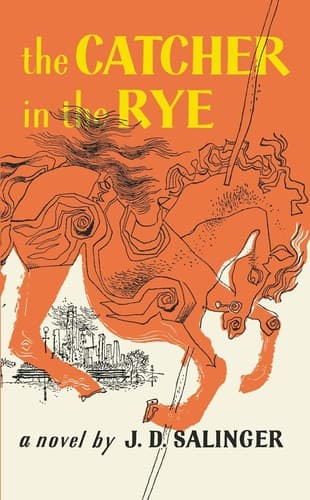
The Catcher in the Rye
J.D. Salinger·1951
Give this one only if you know the graduate has not already been assigned it. Holden Caulfield is the patron saint of the post-graduation suspicion that the adult world is mostly performance, and reading him at the moment you are about to enter that world is more useful than reading him in a high school classroom. The book is also a stylistic gift: anyone who wants to write in their own voice should see what voice on the page can do. Best for graduates who are skeptical of the speeches they have been listening to all week.
Book 7·For the gifted graduate
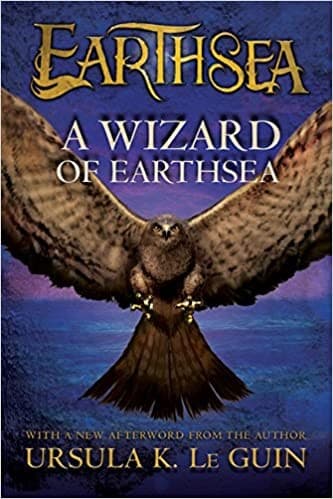
A Wizard of Earthsea
Ursula K. Le Guin·1968
A coming-of-age fantasy about a gifted young man who summons something dangerous through pride and spends the rest of the book learning to confront what he has released. Le Guin wrote it as a corrective to the idea that talent alone makes a life, and the lesson lands hardest at twenty-two, when the gap between being identified as promising and actually becoming a person is widest. Give it to the graduate who has been told their whole life that they are exceptional. It is the gentlest serious book on this list.