Book list · Editor's pick·Vol. 001·mixed
Best Book Club Books for Discussion
Seven books that generate real conversation — not just summaries.
- Books
- 7
- book-club
- discussion
- literary-fiction
- classics
Updated 2026-05-23
— Why read this list —
A great book club book isn't necessarily the best book. It's the one that divides the room.
What makes a book club book actually work
There's a category error that kills book clubs. The group picks something universally agreed to be excellent — a masterpiece, a towering achievement — and then spends the meeting congratulating each other on reading it. Great literature and great discussion-generating literature are related but not identical. What you need is genuine disagreement about things that matter: character motivation, moral judgments, whether the form serves the subject, whether the ending is earned.
The seven books here all have that quality. Some are short (Gatsby, at five hours, leaves no excuse for not finishing). Some are complicated by their own cultural reception in ways that are worth unpacking. One is non-fiction, because there's no rule that says book clubs have to be fiction-only, and Kahneman in particular produces a specific kind of conversation — one where people bring their own examples and start questioning their own recent decisions in real time.
The strongest book club sessions tend to have a question established before people sit down. Not "what did you think?" but something precise: did Offred make the right choices? Is Atticus Finch a hero? The books listed here all have at least one such question embedded in their structure. You'll find it; it's usually the thing that the book itself seems slightly evasive about.
On inclusion and difficulty
A recurring tension in any book club list is between books that are rewarding and books that are accessible. This list leans toward books that reward close reading but don't demand it — you can read Gatsby fast and still have plenty to say, even if the reader who lingers in the prose will have more to add. The one exception is Kahneman, which at fifteen reading hours is genuinely long. The suggestion there is to pick a section — the chapter on availability heuristics, or the one on expert intuition — and treat it as a standalone essay. The ideas travel fine that way.
One book here, The Help, comes with a genuine critical debate attached to it. Some clubs prefer to avoid controversy; others find that books with documented critical arguments are precisely the right ones to discuss, because the argument gives the conversation structure. If your group is the latter type, you'll want to read Ablene Cooper's lawsuit and the Valerie Boyd essay alongside Stockett before you meet. The book becomes more interesting, not less, when you engage with what critics said about it.
The 7 books
In publication order
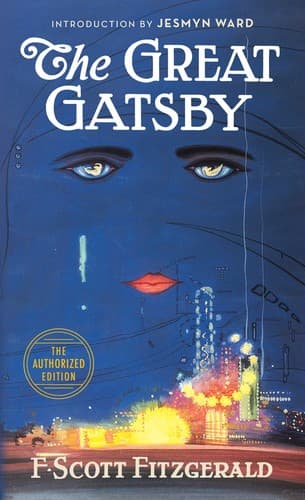
Book 1·The novel that splits the room
The Great Gatsby
F. Scott Fitzgerald·1925
Short enough that everyone finishes it, rich enough that no two readers walk away with the same Gatsby. The central debate — is Gatsby tragic or deluded, romantic or criminal? — tends to split cleanly along life experience. The question your group will actually argue: did Daisy ever really love him, and does it matter?
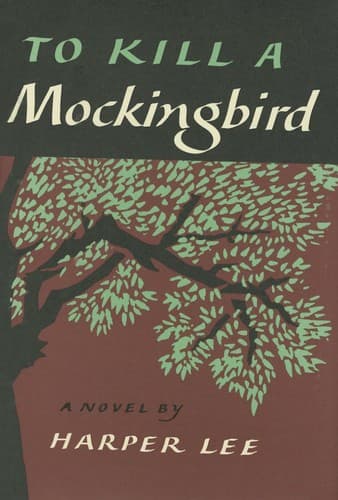
Book 2·The comfortable disagreement
To Kill a Mockingbird
Harper Lee·1960
Most groups think they agree about this book until they start talking. The real discussion is whether Atticus Finch is a moral hero or a comfortable moderate who works within a system he should have fought harder — a question that lands differently depending on who's in the room. What does it mean that the story is told through Scout's innocence, and what does that framing let us off the hook from seeing?
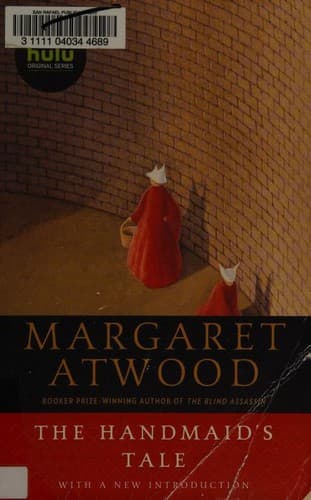
Book 3·The complicity question
The Handmaid's Tale
Margaret Atwood·1985
Atwood's discipline — every horror has a historical precedent — is also the book's richest discussion point. Is Gilead a warning or a diagnosis? Groups reliably argue about Offred's choices: what would you do, what counts as resistance, what counts as complicity. The TV series exists and complicates things; it's worth deciding before you meet whether you'll allow it into the conversation.
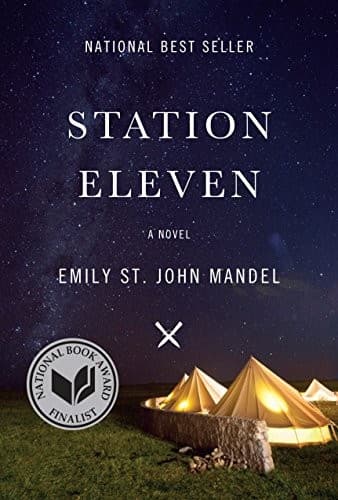
Book 4·The survival of beauty
Station Eleven
Emily St. John Mandel·2014
A pandemic novel written before pandemic became a lived reference — which means your group has context Mandel's first readers didn't. The structural question is worth at least an hour: why does the book spend so much time on the before? What does Mandel think we'd miss, and does your group agree? Its hopeful ending is also genuinely contestable.

Book 5·Acceptance and its cost
Never Let Me Go
Kazuo Ishiguro·2005
Ishiguro withholds the central premise long enough that most readers don't fully register it until halfway through — which is itself a discussion. Why do the characters accept what they accept? Is this a book about cloning, or about how all of us fail to examine the terms we've agreed to? That question has no clean answer, which makes it exactly right for a group.
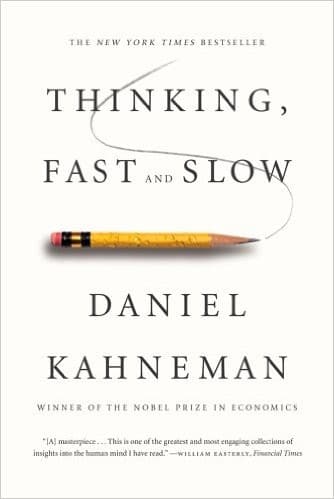
Book 6·The non-fiction wild card
Thinking, Fast and Slow
Daniel Kahneman·2011
Book clubs don't need to be all fiction. Kahneman's central claim — that we are far less rational than we believe, and that our intuitions are systematically wrong in predictable ways — is the kind of argument that generates pushback, examples, and personal confession in equal measure. Assign one section at a time; it reads better in pieces than all at once.
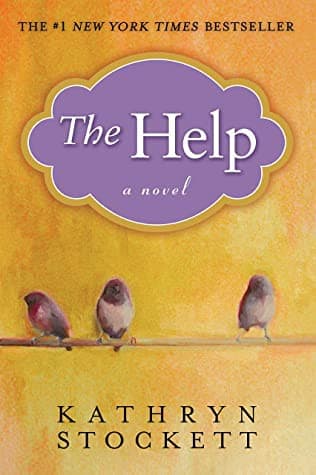
Book 7·The book that earns its controversy
The Help
Kathryn Stockett·2009
The most debated book on this list, and deliberately so. The central formal question — should a white author write Black women's first-person voices? — is also an entry point into what the book gets right and wrong about the civil rights era. Groups that engage with the criticism honestly tend to have more interesting conversations than groups that either dismiss it or refuse to let the book speak at all.