Book list · Editor's pick·Sports
Best Soccer Books for World Cup 2026
Fifteen football books for the World Cup window: global history, tactics, fan culture, player stories, managers, and the tournament itself.
- Books
- 15
- Total reading
- 160h
- Authors
- 17
- Time span
- 1992-2026
- world-cup-2026
- soccer-books
- football-books
- football-biographies
- football-tactics
- sports-history
Updated 2026-06-08
— Why read this list —
The best soccer books do not only explain who won. They explain why the game feels so large: nations, clubs, tactics, money, myth, and the strange private life of fandom.
How to use this World Cup reading list
World Cup reading creates a strange problem: most readers do not know which question they are asking yet.
Some want to understand tactics because they can see formations on television graphics but not the decisions underneath them. Some want tournament history because the World Cup arrives with an emotional weight ordinary club matches do not carry. Some want player stories, especially Messi, Ronaldo, Pele, Maradona, Cruyff, or the coaches who shaped modern football. Some want a book that explains why otherwise reasonable people let a club ruin their weekend for decades.
So this list is not arranged as a single ladder from easy to hard. It is arranged by job:
- Feel the game: Soccer in Sun and Shadow, Fever Pitch, The Damned Utd.
- Understand the game: Inverting the Pyramid, Soccernomics, Brilliant Orange.
- Understand the World Cup: Mundiales, Eight World Cups, The Ball Is Round.
- Understand stars and managers: Messi, Why Soccer Matters, Alex Ferguson: My Autobiography.
The safest first pick is Galeano if you are a reader, Wilson if you are trying to watch more intelligently, and Vecsey or Vickery/Biram if the World Cup itself is the hook.
Start here: the three safest picks
Start with Soccer in Sun and Shadow if you want beauty. It is short, literary, and generous. You do not need a working knowledge of club history or tactics to enjoy it.
Start with Inverting the Pyramid if you want to understand what you are watching. It is the book most likely to change how you read a match in real time.
Start with Eight World Cups if you want the tournament as lived experience. It gives you journalism, travel, personalities, spectacle, and enough darkness to avoid pure celebration.
Those three form the best one-week World Cup starter stack: feeling, tactics, tournament.
What to skip depending on what you want
Skip The Ball Is Round as your first book if you want something light. It is excellent, but it is built like a reference history and rewards patience.
Skip celebrity autobiographies if you want analysis. Player memoirs often work best when you already care about the player; if you want the sport itself explained, start with Wilson, Goldblatt, Kuper, or Winner.
Skip The Damned Utd if you want factual certainty. It is a novel, not a biography, and its power comes from voice and pressure rather than documentary balance.
Skip Soccernomics if you want romance. Its value is that it punctures romantic football assumptions with data, markets, and incentives.
The best next pages to build from this list
This page can become the hub for a small World Cup cluster.
The first child page should be best football books for new soccer fans: Wilson, Galeano, Vecsey, Hornby, Kuper/Szymanski, Winner, and Foer.
The second should be best World Cup books: Vickery/Biram, Vecsey, Goldblatt, Futebol Nation, Galeano, Pele, and any stronger tournament-specific books added later.
The third should be best soccer biographies and memoirs: Messi, Ronaldo, Pele, Maradona, Zlatan, Cruyff, Pirlo, Bergkamp, Roy Keane, and Ferguson.
The fourth should be best football manager books: Ferguson, Guardiola, Ancelotti, Wenger, Mourinho, Cruyff, and the Barcelona/Premier League tactical books.
That is the right architecture: one timely World Cup hub now, then evergreen pages under it.
Reading paths
Three orders. Pick one before you start.
If you are watching the World Cup and want to understand the game
Start with Soccer in Sun and Shadow for the feeling, then Inverting the Pyramid for the tactics, then Eight World Cups for the tournament texture.
Book 1›Book 3›Book 5
If you want football as global history
Read The Ball Is Round, then Futebol Nation, then How Soccer Explains the World. This path treats football as politics, identity, labor, money, and national myth.
Book 2›Book 9›Book 7
If you want the human stories
Go from Fever Pitch to Messi to Alex Ferguson. That gives you fandom, genius, and management as three different ways football takes over a life.
Book 10›Book 13›Book 15
The 15 books
In publication order
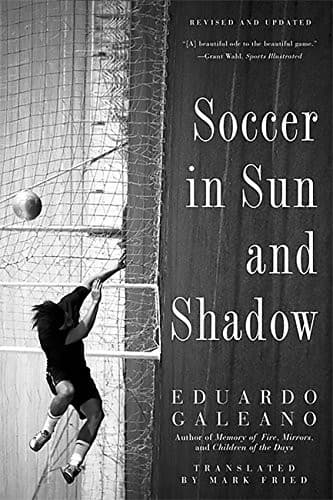
Book 1·The literary entry point
Soccer in Sun and Shadow
Eduardo Galeano·1995
The best first soccer book if you want the game to feel like literature rather than homework. Galeano writes in fragments: goals, players, crowds, dictators, tricks, grief, beauty. It is not a tactical manual and it is not comprehensive history. It is a book about why football attaches itself to memory. Start here if you are coming to the World Cup as a reader first and a fan second.
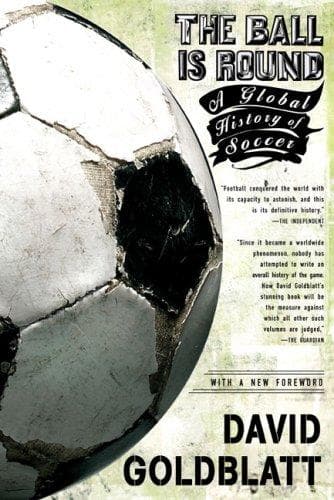
Book 2·The global history spine
The Ball Is Round
David Goldblatt·2006
The giant one-volume history. Goldblatt follows football across class, empire, migration, labor, television, nationalism, clubs, and tournaments. It is too large to be the casual fan's first weekend read, but it is the book that gives the World Cup its global frame. Read it when you want to understand why the sport became the one shared public language almost everywhere.
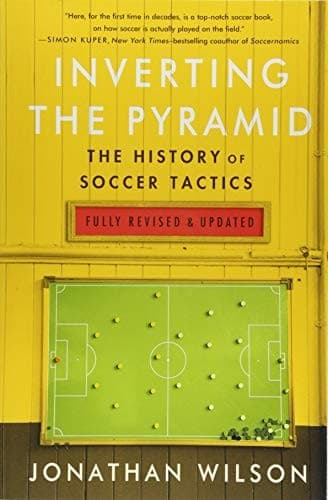
Book 3·The tactics primer
Inverting the Pyramid
Jonathan Wilson·2008
The clearest route into tactics. Wilson tells the story of how formations and ideas changed: dribbling to passing, WM to 4-2-4, catenaccio, pressing, Total Football, false nines. It will not make you a coach overnight, but it gives you the vocabulary to watch a match and notice the argument taking place on the pitch.
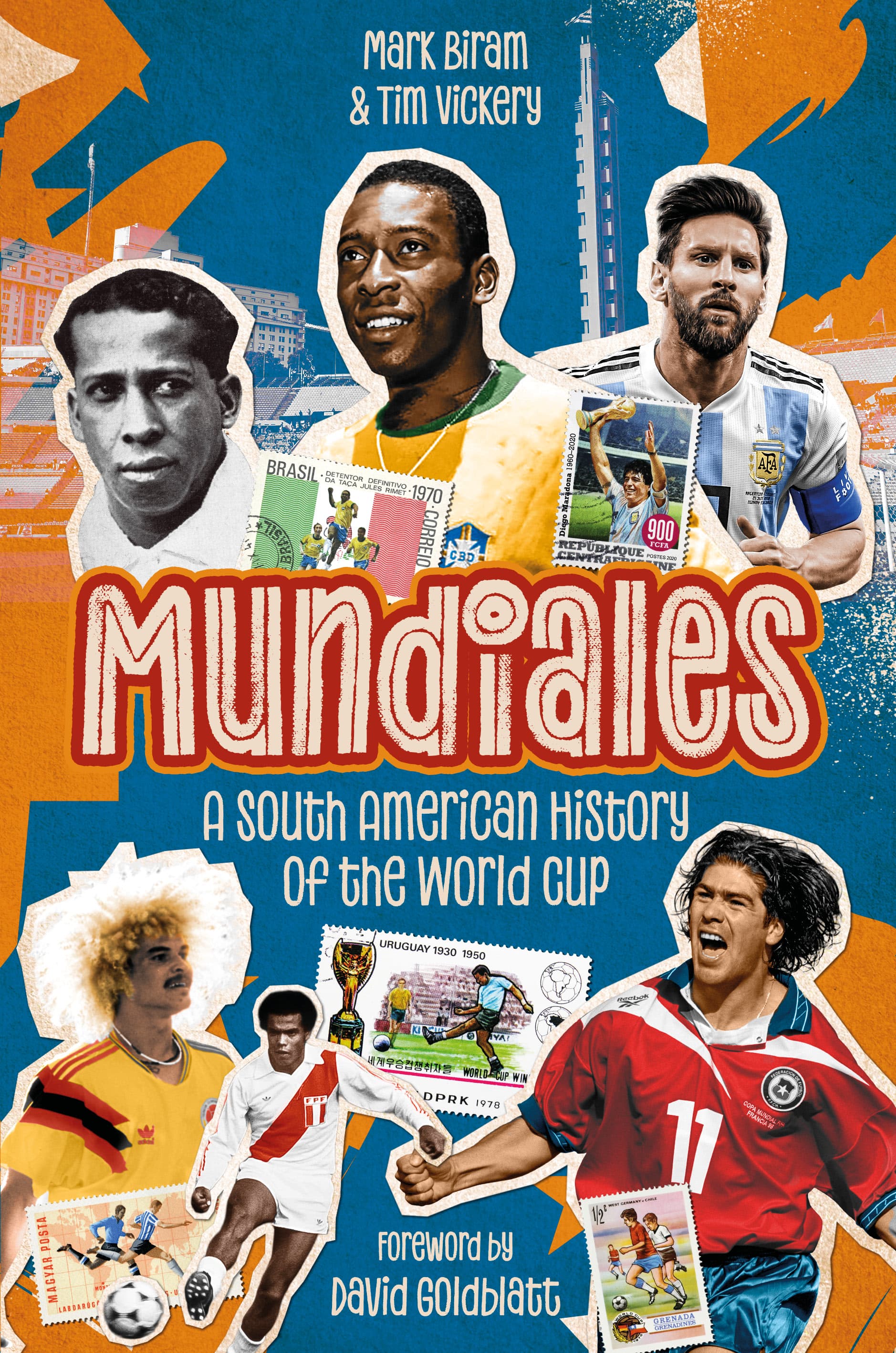
Book 4·The 2026-seasonal World Cup pick
Mundiales
Tim Vickery and Mark Biram·2026
The most explicitly World Cup-timed pick here. Vickery and Biram use South America as the tournament's emotional and historical engine, from Uruguay's first triumphs to Brazil, Argentina, and the Messi era. Read it if the World Cup makes you want a story bigger than brackets: national styles, old wounds, and why this tournament matters so much outside Europe.
Book 5·The tournament travelogue
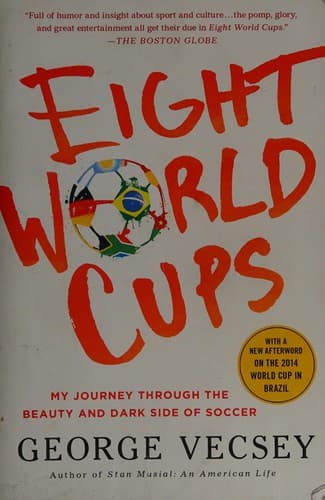
Eight World Cups
George Vecsey·2014
A reporter's-eye tournament book. Vecsey is strongest on the lived texture of the World Cup: travel, crowds, politics, personalities, and the repeated shock of a global event being both beautiful and compromised. Read this if you want the World Cup as a series of human scenes rather than a database of finals.
Book 6·The smart-data angle
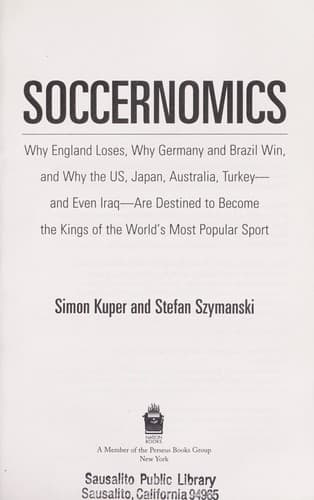
Soccernomics
Simon Kuper and Stefan Szymanski·2009
The data-and-economics pick. Kuper and Szymanski ask why clubs waste money, why certain countries overperform, how transfer markets misprice players, and what football reveals when you treat it as a strange economic system. It is a useful antidote to pure romance: the sport is myth, but it is also incentives.
Book 7·The politics-and-globalization bridge
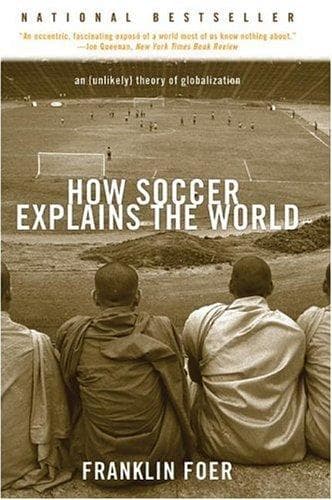
How Soccer Explains the World
Franklin Foer·2004
Foer's book is a globalization tour through clubs, rivalries, politics, violence, identity, and migration. Some chapters now feel like a snapshot of the early 2000s, but that is part of its value. Read it when you want the sport as a way into the world around it: nationalism, capitalism, diaspora, and local loyalties under global pressure.
Book 8·The national style study
Brilliant Orange
David Winner·2000
A national-style book that became a classic because it understands football as culture. Winner connects Dutch football to space, design, architecture, improvisation, and Total Football. Read it if you want to understand why a team can become an idea, and why the Netherlands occupies such a strange place in football imagination despite fewer trophies than its influence suggests.
Book 9·The Brazil and national identity pick
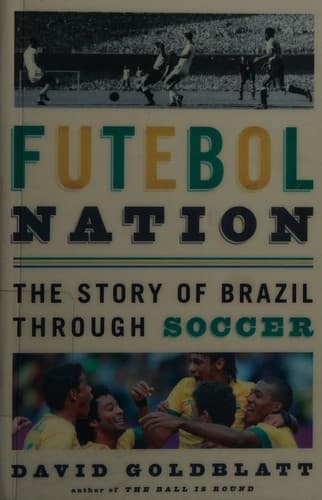
Futebol Nation
David Goldblatt·2014
Brazil is not just a successful football country; it is one of the places where football became a language for race, class, state power, modernity, and national self-image. Goldblatt is especially useful before any World Cup because he refuses the postcard version of Brazilian football. The beauty is real. So are the politics underneath it.
Book 10·The fan-culture memoir
Fever Pitch
Nick Hornby·1992
The best book here about being a fan, which is not the same as being a consumer. Hornby writes about Arsenal, adolescence, masculinity, obsession, routine, disappointment, and the way a club becomes an emotional calendar. Read this if you do not need football explained as a system; you need fandom explained as a life.
Book 11·The underdog club story
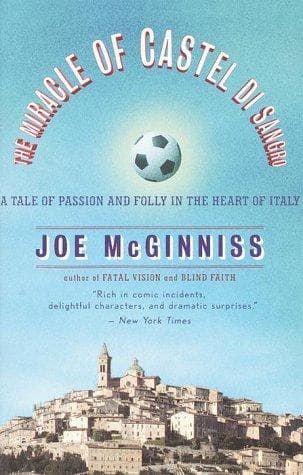
The Miracle of Castel di Sangro
Joe McGinniss·1999
An underdog-club narrative with charm, chaos, and ethical complications. McGinniss follows a tiny Italian club after an improbable promotion, and the book becomes part sports story, part travelogue, part outsider fantasy, part warning about romanticizing a culture you barely understand. Read it for narrative pull, not clean authority.
Book 12·The literary football novel
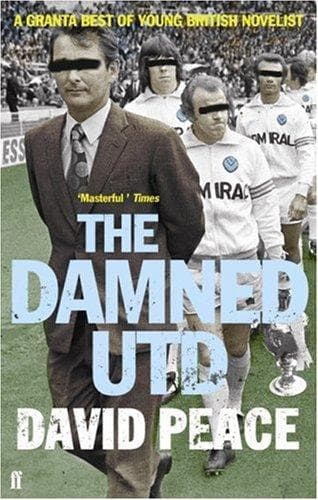
The Damned Utd
David Peace·2006
The fiction pick, and the darkest book on the list. Peace imagines Brian Clough's disastrous 44 days at Leeds United as a pressure chamber of ego, rivalry, booze, brilliance, and self-sabotage. It is not a neutral biography. It is a novel about managerial myth becoming psychological horror. Read it if you want football writing with real literary teeth.
Book 13·The star biography lane
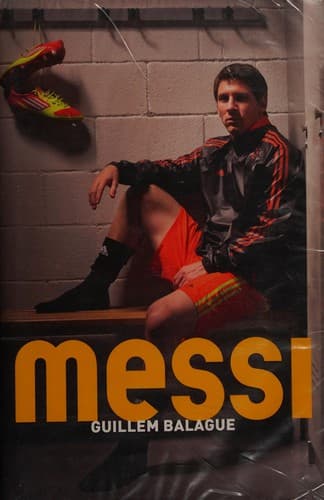
Messi
Guillem Balague·2013
The player-biography entry for the Messi era: Rosario, Barcelona, growth hormones, La Masia, Argentina, genius under pressure, and the long wait for the national-team ending that changed how his story is told. Read it if your World Cup interest starts with the question of how one player became both an artist and a national burden.
Book 14·The icon's account
Why Soccer Matters
Pele·2014
Pele's book is less useful as a hard biography than as a statement of what football meant from inside its first truly global icon. It belongs here because every World Cup conversation eventually returns to Brazil, beauty, pressure, and the problem of turning a player into a symbol. Read it beside a more analytical Brazil book, not instead of one.
Book 15·The manager biography
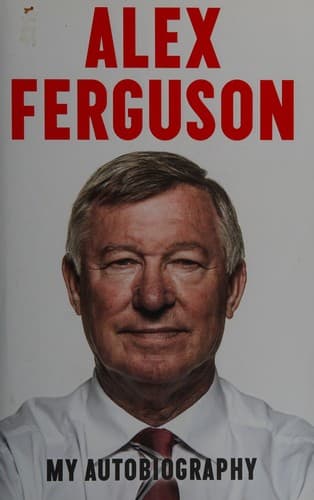
Alex Ferguson: My Autobiography
Alex Ferguson·2013
The manager entry point. Ferguson's autobiography is most useful for readers interested in dressing-room authority, long-term standards, renewal, talent management, and the psychology of winning repeatedly after everyone else has adjusted to you. It is not a neutral history of Manchester United. It is a working manager's self-portrait after the empire.