Editor-reviewed
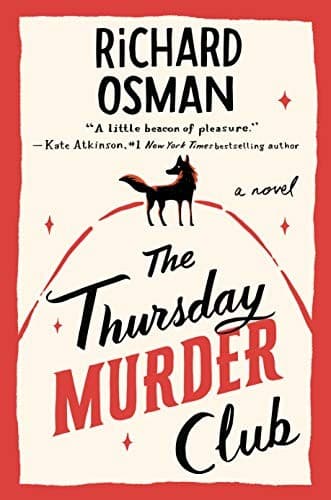
The Thursday Murder Club
Richard Osman·2020·Pamela Dorman Books·thriller
Reading level: Ages 14+ (adult) · 8-hour read · Beginner difficulty.
- Reading time
- 8h
- Difficulty
- Beginner
- Recommended age
- Ages 14+
- Guide read
- 6min
- Editor's rating
- 4.1 / 5
- mystery
- cozy-mystery
- crime-fiction
- book-club
- netflix-adaptation
- retirement-village
— In one sentence —
A warm, puzzle-forward retirement-village mystery for readers coming from Netflix's film adaptation who want crime without grimness.
§ 01 · WHY READ
Why read
The Thursday Murder Club is a crime novel for readers who want cleverness, company, and emotional steadiness more than darkness. The setup is simple: four residents of Coopers Chase, a luxury retirement village, meet every Thursday to examine unsolved murders. Then a current case gives their hobby real stakes, and the book becomes a puzzle about age, friendship, grief, curiosity, and the pleasure of being underestimated.
Netflix's film adaptation makes the source question current, but the book works even without screen interest because it answers a clear reader decision: can a mystery be comforting without becoming weightless? Osman says yes. The murders matter, but the core pleasure is watching Elizabeth, Joyce, Ibrahim, and Ron use lived experience as investigative equipment. They know bureaucracy, loneliness, family pressure, professional pride, and how people hide embarrassment.
Read it if you want an accessible mystery with short scenes, dry humor, and a generous attitude toward older characters. Skip it if you want a hardboiled police procedural, forensic detail, or a thriller that treats danger as the main event.
§ 02 · CHARACTERS
Characters
Elizabeth is the group's strategic engine. She has the calm of someone who has handled secrets before, and the novel lets that competence remain partly mysterious.
Joyce is the newest voice in the club and often the reader's gentlest point of entry. Her ordinary observations are sharper than they first appear.
Ibrahim brings professional listening and pattern recognition. His steadiness helps the group feel like more than a comic device.
Ron adds force, impatience, and social nerve. He is useful because he is willing to push where other people hesitate.
§ 03 · HIGHLIGHTS
Three highlights
No. 1 · Low-burden mystery. The book is easy to enter, easy to continue, and built around people you can enjoy spending time with.
No. 2 · Age as competence. The club's members are not cute side characters. Their age gives them leverage, memory, contacts, and social invisibility.
No. 3 · Strong adaptation fit. A contained community, a clear ensemble, and a puzzle structure make the novel a natural source for screen viewers who want the original.
§ 04 · EDITIONS
Recommended editions
| Edition | Why pick it |
|---|---|
| Pamela Dorman Books hardcover | The US bibliographic anchor and a stable ISBN path. |
| Penguin paperback / tie-in paths | The practical current choice for readers arriving through the film. |
| Ebook | Good for casual, chapter-by-chapter reading. |
| Audiobook | A strong format if you want the ensemble warmth to lead. |
§ 05 · FIT
Who it's for / not for
Read this if you are...
- Coming from the Netflix adaptation and want the original ensemble mystery.
- Looking for crime fiction that is clever but not punishing.
- Choosing a book-club pick with broad appeal and discussion room.
- Restarting reading and wanting something friendly, paced, and finishable.
Skip it if you are...
- Looking for a dark serial-killer thriller.
- Bothered by comic touches around murder investigations.
- Wanting a mystery solved only through strict police procedure.
- Sensitive to grief and end-of-life themes, even when handled gently.
§ 06 · TIPS
Reading tips
- Let the tone lead. The book is warm, but not careless.
- Track the ensemble. Character relationships are as important as clues.
- Do not rush the quiet parts. The emotional aftertaste is part of why the series lasts.
- If it works, continue in order. The sequels deepen the group without changing the basic pleasure.
§ 07 · COMPARE
Read alongside
- Agatha Christie — And Then There Were None. A much darker classic puzzle benchmark.
- Wilkie Collins — The Woman in White. For older mystery architecture and layered testimony.
- Daphne du Maurier — Rebecca. If you want suspense with social observation.
- Ruth Ware — The Woman in Cabin 10. External read-alike for a more anxious contemporary mystery.
- Richard Osman — later Thursday Murder Club books. Best if the ensemble is what hooked you.
§ 08 · DISCUSSION
Discussion questions
- Why does the retirement-village setting make the mystery feel fresh?
- Which member of the club is easiest to underestimate, and why?
- Does the warmth reduce the danger, or make the danger easier to absorb?
- How does Joyce's perspective shape the reader's trust?
- What does the novel understand about loneliness?
- Would the story work as well with younger investigators?
- Which part of the book feels most naturally cinematic?
- Is this a cozy mystery, a crime novel, or both?
One line to remember
“Four friends in a retirement village investigate cold cases until a new murder lands at their door.”— bibliotecas editorial summary, not a textual quotation
You might also like
Read next
Agatha Christie · 1939
And Then There Were None
Ten strangers, one isolated island, and the cleanest demonstration in mystery fiction that a simple setup can still produce unbearable tension.
Read · 6 min
Daphne du Maurier · 1938
Rebecca
A second marriage, a country house, and a dead woman who seems more alive than everyone around her: du Maurier turns jealousy into one of the great slow-burn suspense novels.
Read · 6 min
John le Carre · 1974
Tinker Tailor Soldier Spy
John le Carre's George Smiley mole hunt, the source novel behind the BBC series and 2011 film.
Read · 6 min