Editor-reviewed
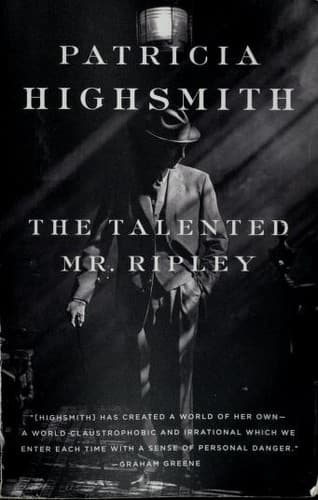
The Talented Mr. Ripley
Patricia Highsmith·1955·W. W. Norton & Company·thriller
Reading level: Ages 16+ (adult) · 6-hour read · Intermediate difficulty.
- Reading time
- 6h
- Difficulty
- Intermediate
- Recommended age
- Ages 16+
- Guide read
- 6min
- Editor's rating
- 4.3 / 5
- thriller
- crime-fiction
- netflix-adaptation
- patricia-highsmith
- psychological-suspense
— In one sentence —
Patricia Highsmith's crime classic behind Netflix's Ripley and earlier film adaptations.
§ 01 · WHY READ
Why read
The Talented Mr. Ripley is Patricia Highsmith's 1955 crime novel and the first Tom Ripley book. Netflix Tudum identifies Ripley as based on Highsmith's Tom Ripley novels and elsewhere names The Talented Mr. Ripley as the 1955 source. Current English editions include W. W. Norton paperback ISBN 9780393332148 and Penguin/Vintage Classics routes.
Tom Ripley begins as a small-time striver in New York, then travels to Italy on a job that gives him access to Dickie Greenleaf's money, leisure, and identity. The book's dread comes from how calmly Tom studies other people, copies them, and turns envy into strategy.
Read it if the Netflix series or the 1999 film made you want the source without the screen version's visual glamour. Highsmith's novel is colder, stranger, and more intimate with Tom's self-invention.
§ 02 · CHARACTERS
Characters
Tom Ripley is charming only when charm is useful. His talent is not brilliance in the usual sense, but adaptation without conscience.
Dickie Greenleaf is the object Tom wants to possess, replace, and punish.
Marge Sherwood sees more than Tom wants her to see, even when other characters underestimate her.
Herbert Greenleaf starts the plot by giving Tom a respectable reason to enter Dickie's world.
§ 03 · HIGHLIGHTS
Three highlights
No. 1 - Strong current Netflix route. Ripley keeps Highsmith's first Tom Ripley novel in active screen circulation.
No. 2 - Durable literary-crime demand. The book works as thriller, character study, and classic crime fiction.
No. 3 - Catalog unlock. It opens the Ripley sequence and links naturally to film, noir, and psychological suspense shelves.
§ 04 · EDITIONS
Recommended editions
| Edition | Why pick it |
|---|---|
| W. W. Norton paperback | Common U.S. English route with ISBN 9780393332148. |
| Penguin / Vintage Classics editions | Good for readers collecting the Ripley novels. |
| Netflix-adjacent editions | Useful if the series is your entry point. |
| Audiobook | Strong if you want Tom's unease and calculation close. |
§ 05 · FIT
Who it's for / not for
Read this if you are...
- Coming from Netflix's Ripley or the 1999 film.
- Interested in psychological crime built around identity and envy.
- Looking for a classic thriller that still feels morally slippery.
- Curious about antihero fiction before it became a prestige-TV default.
Skip it if you are...
- Wanting a detective-centered mystery.
- Looking for clear moral distance from the criminal protagonist.
- Frustrated by slow psychological suspense.
- Sensitive to murder, manipulation, class anxiety, and homophobic period pressure.
§ 06 · TIPS
Reading tips
- Stay close to Tom's logic without accepting it. Highsmith makes his thinking legible, not justified.
- Watch the class details. Clothes, travel, money, and manners all become tools.
- Compare screen versions carefully. The Netflix series has time for visual austerity; the book has the colder interior track.
- Read it as a first book. Later Ripley novels change the shape of Tom's life, but this one is the source entry.
§ 07 · COMPARE
Read alongside
- John le Carre - The Night Manager. For another screen-linked story about performance inside luxury.
- Frederick Forsyth - The Day of the Jackal. For professional control in a more procedural thriller.
- Gillian Flynn - Gone Girl. For modern identity performance and crime.
- Daphne du Maurier - Rebecca. For an older suspense classic about class, desire, and replacement.
- Jean Hanff Korelitz - You Should Have Known. For another screen-linked psychological novel about what people miss in close relationships.
§ 08 · DISCUSSION
Discussion questions
- When does Tom's envy become more dangerous than his fear?
- Does the novel invite sympathy for Tom, fascination with him, or both?
- How does Italy change Tom's sense of possibility?
- What does Dickie represent to Tom?
- How does Highsmith make imitation feel threatening?
- What should Netflix's Ripley preserve from the novel?
- Is the book more disturbing because Tom is ordinary in some ways?
- Why has this story remained so adaptable?
One line to remember
“Tom Ripley is hired to retrieve a rich man's son from Italy, then discovers that imitation can become a way of taking a life.”— bibliotecas editorial summary, not a textual quotation
You might also like
Read next
Patricia Highsmith · 1957
Deep Water
Patricia Highsmith's marital thriller behind Hulu's film, built on jealousy, performance, and quiet cruelty.
Read · 6 min
Agatha Christie · 1939
And Then There Were None
Ten strangers, one isolated island, and the cleanest demonstration in mystery fiction that a simple setup can still produce unbearable tension.
Read · 6 min
Daphne du Maurier · 1938
Rebecca
A second marriage, a country house, and a dead woman who seems more alive than everyone around her: du Maurier turns jealousy into one of the great slow-burn suspense novels.
Read · 6 min