Editor-reviewed
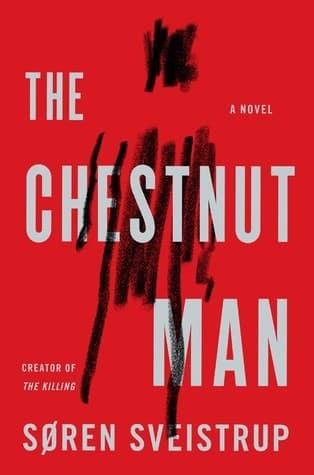
The Chestnut Man
Soren Sveistrup·2018·Harper·thriller
Reading level: Ages 18+ (mature) · 11-hour read · Intermediate difficulty.
- Reading time
- 11h
- Difficulty
- Intermediate
- Recommended age
- Ages 18+ (mature)
- Guide read
- 6min
- Editor's rating
- 4.0 / 5
- thriller
- nordic-noir
- crime-fiction
- serial-killer
- netflix-adaptation
- danish-literature
— In one sentence —
A bleak Danish serial-killer thriller behind Netflix's adaptation, best for readers who want Nordic crime with procedural weight.
§ 01 · WHY READ
Why read
The Chestnut Man is not cozy crime. It is a dark, large-scale Nordic thriller built around murdered women, a missing child, political pressure, and the small handmade figures left at crime scenes. Soren Sveistrup was already known for screen crime writing, and the novel shows that background: scenes cut cleanly, evidence keeps arriving, and the investigation has the pressure of a limited series even on the page.
Netflix's adaptation gives the novel an obvious screen-adaptation path, but the book's reader job is more specific: should you read it if you liked Nordic noir and want something grim, procedural, and plot-heavy? Yes, if you can handle violence and child-endangerment themes. The payoff is not comfort. It is the satisfaction of a machine built from clues, old damage, and institutional failure.
This guide belongs in the screen-adaptations lane because the source relationship is clear and the English edition is readily available. It also fills a site gap: serious mainstream crime for readers who want something darker than domestic suspense.
§ 02 · CHARACTERS
Characters
Naia Thulin is the investigator whose professional control is tested by the case's cruelty and by the demands around her own life.
Mark Hess is the returning investigator with outsider friction. His presence adds tension to the procedural team and helps widen the case.
The missing-child case sits behind the murder investigation as more than backstory. It changes what the present crimes mean.
§ 03 · HIGHLIGHTS
Three highlights
No. 1 · Nordic-noir atmosphere. The book uses weather, institutions, and family damage to make the case feel socially cold as well as violent.
No. 2 · Procedural density. This is for readers who like interviews, records, connections, and pressure building through investigation.
No. 3 · Strong screen source shape. The premise, the paired investigators, and the recurring chestnut figures all translate naturally to serial television.
§ 04 · EDITIONS
Recommended editions
| Edition | Why pick it |
|---|---|
| Harper English edition | Stable English-language edition and ISBN path. |
| Paperback | Practical for readers who want a long crime novel without ceremony. |
| Ebook | Useful because the book is long and plot-dense. |
| Audiobook | Best if you like procedural scenes delivered with steady tension. |
§ 05 · FIT
Who it's for / not for
Read this if you are...
- Coming from the Netflix series and want the darker, fuller source novel.
- Looking for Nordic noir with a serial-investigation structure.
- Comfortable with bleak crime fiction and violence.
- Interested in police work under political and media pressure.
Skip it if you are...
- Avoiding graphic violence or child-harm themes.
- Looking for a cozy or puzzle-first mystery.
- Frustrated by long investigations with multiple institutional threads.
- Wanting a quick thriller you can finish in one sitting.
§ 06 · TIPS
Reading tips
- Read in sustained chunks. The case has enough moving parts that long gaps make it harder to track.
- Keep the old case in view. The book keeps asking how past institutional decisions shape present danger.
- Expect severity. This is not a gentle crime recommendation.
- Use the adaptation as a map, not a substitute. The novel gives more room to procedure and backstory.
§ 07 · COMPARE
Read alongside
- Stieg Larsson — The Girl with the Dragon Tattoo. For Scandinavian crime with institutional rot and buried violence.
- Gillian Flynn — Sharp Objects. For a darker psychological crime atmosphere.
- Alex Michaelides — The Silent Patient. A shorter, more twist-forward thriller path.
- Wilkie Collins — The Woman in White. A much older suspense structure built around testimony and secrets.
- Ruth Ware — The Woman in Cabin 10. External read-alike if you want a shorter contemporary thriller.
§ 08 · DISCUSSION
Discussion questions
- How does the handmade chestnut figure change the emotional tone of the crimes?
- Does the novel feel more like a police procedural or a serial-killer thriller?
- How does the missing-child thread affect your reading of the present case?
- What does the book suggest about institutional responsibility?
- Where does the length help the story, and where does it slow momentum?
- How does Nordic-noir atmosphere shape your expectations?
- What should the Netflix adaptation preserve from the novel's structure?
- Is the darkness earned by the mystery, or heavier than the story needs?
One line to remember
“A series of murders leaves small chestnut figures behind, linking a present investigation to an old missing-child case.”— bibliotecas editorial summary, not a textual quotation
You might also like
Read next
Agatha Christie · 1939
And Then There Were None
Ten strangers, one isolated island, and the cleanest demonstration in mystery fiction that a simple setup can still produce unbearable tension.
Read · 6 min
Daphne du Maurier · 1938
Rebecca
A second marriage, a country house, and a dead woman who seems more alive than everyone around her: du Maurier turns jealousy into one of the great slow-burn suspense novels.
Read · 6 min
Gillian Flynn · 2012
Gone Girl
A marriage told by two people who are each lying to you in different directions — and the rare thriller that wants both halves of its couple to be genuinely unlikable.
Read · 7 min