Editor-reviewed
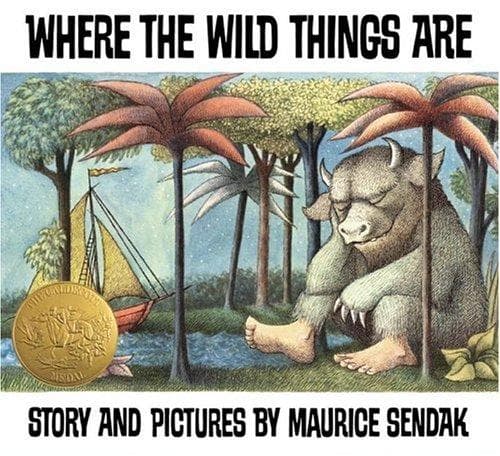
Where the Wild Things Are
Maurice Sendak·1963·Harper & Row·Children
Reading level: Ages 3–7 (picture book) · 0.2-hour read · Beginner difficulty.
- Reading time
- 0.2h
- Difficulty
- Beginner
- Recommended age
- Ages 3–7
- Guide read
- 3min
- Editor's rating
- 4.9 / 5
- picture-book
- big-feelings
- imagination
- caldecott
- read-aloud
For parents
More age-near children's picks
— In one sentence —
A picture book about anger, imagination, wildness, and the relief of coming home to someone who still loves you.
§ 01 · WHY READ
Why read
Where the Wild Things Are gives a child a safe shape for anger. Max misbehaves, enters a wild world, becomes king, gets lonely, and returns.
The book does not overexplain feelings. The pictures do much of the work, which is why it still feels alive.
§ 02 · CHARACTERS
Characters / people
Max, his mother offstage, and the wild things. The wild things are scary enough to matter and gentle enough to revisit.
§ 03 · HIGHLIGHTS
Three highlights
No. 1 - Emotional honesty. Children are allowed to feel fierce.
No. 2 - Picture expansion. The images grow as the wild world takes over.
No. 3 - Return home. The ending restores love without a lecture.
§ 04 · EDITIONS
Recommended editions
| Edition | Why pick it |
|---|---|
| HarperCollins hardcover | Best for the art. |
| Paperback | Fine for everyday reading. |
§ 05 · FIT
Who it's for / not for
Best for ages 3-6. Skip or preview if your child is very sensitive to monster imagery.
§ 06 · TIPS
Reading tips
Let the child look at the wordless pages. Do not rush the wild rumpus.
§ 07 · COMPARE
Read alongside
- Ezra Jack Keats - The Snowy Day.
- Roald Dahl - Matilda.
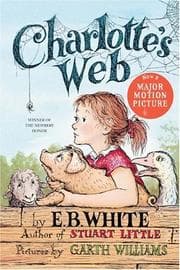
- E. B. White - Charlotte's Web.
§ 08 · DISCUSSION
Discussion questions
- Is Max angry, lonely, tired, or all three?
- Are the wild things frightening or funny?
- Why does home matter at the end?
One line to remember
“A big-feelings classic because it lets anger become a picture before it becomes a lesson.”— bibliotecas editorial note
Appears in collections
Reading lists featuring this book
You might also like
Read next
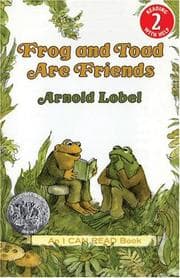
Arnold Lobel · 1970
Frog and Toad Are Friends
An early-reader classic with short chapters, gentle jokes, and two friends whose differences make the stories easy to love.
Read · 3 min
Margaret Wise Brown · 1947
Goodnight Moon
A bedtime picture book built from rhythm, repetition, soft attention, and the comfort of saying goodnight to everything in the room.
Read · 3 min
Ezra Jack Keats · 1962
The Snowy Day
A quiet picture book about a child discovering snow, with collage art that makes an ordinary day feel newly visible.
Read · 3 min