
Editor-reviewed
The Wonderful Story of Henry Sugar and Six More
Roald Dahl·1977·Puffin Books·Children
Reading level: Ages 11–12 (middle grade) · 4-hour read · easy difficulty.
- Reading time
- 4h
- Difficulty
- easy
- Recommended age
- Ages 11–12
- Guide read
- 6min
- Editor's rating
- 4.0 / 5
- roald-dahl
- wes-anderson
- netflix-adaptation
- short-stories
- henry-sugar
For parents
More age-near children's picks

— In one sentence —
Roald Dahl's story collection behind Wes Anderson's Netflix shorts, led by Henry Sugar.
§ 01 · WHY READ
Why read
The Wonderful Story of Henry Sugar and Six More is Roald Dahl's 1977 story collection. Netflix identifies Wes Anderson's The Wonderful Story of Henry Sugar as an adaptation of Dahl's short story, and Tudum says Anderson's Netflix collection adapts four Dahl stories, including "The Swan," "The Rat Catcher," and "Poison." Open Library and ISBN records list English editions of the collection, including Puffin ISBN 9780141311494.
This is the best source guide if you watched the Anderson shorts and want the page-level Dahl. Henry Sugar is the doorway, but the collection also shows Dahl moving between fable, cruelty, memoir, and weird moral experiment. Anderson's film makes the telling visible; the book lets you see how much of that theatricality was already in Dahl's sentences.
Read it if you want a short, screen-linked Dahl collection. Skip it if you want one of his full children's novels first.
§ 02 · CHARACTERS
Characters
Henry Sugar is rich, bored, and initially selfish. His discipline begins for the wrong reason and changes him anyway.
Imdad Khan is the performer whose strange ability gives Henry the method he wants to exploit.
The boys in "The Swan" show Dahl at his cruelest and most controlled.
Dahl's narrating presence matters across the collection. These stories often feel told aloud by someone who enjoys withholding the next turn.
§ 03 · HIGHLIGHTS
Three highlights
No. 1 - Direct Netflix bridge. Netflix's title page and Tudum coverage identify the Henry Sugar film as a Dahl adaptation.
No. 2 - Short-story range. The collection moves from magical skill to bullying, memoir, treasure, and moral reversal.
No. 3 - Anderson source value. The film's direct-address style makes more sense after reading Dahl's narration.
§ 04 · EDITIONS
Recommended editions
| Edition | Why pick it |
|---|---|
| Puffin paperback | English route with ISBN 9780141311494. |
| Knopf hardcover records | Useful for U.S. library and collector searches. |
| Ebook | Practical for reading the adapted stories first. |
| Audiobook | Good for Dahl's spoken-story rhythm. |
§ 05 · FIT
Who it's for / not for
Read this if you are...
- Coming from Wes Anderson's Netflix shorts.
- Looking for Dahl beyond the best-known children's novels.
- Interested in short stories with clear moral turns.
- Reading with a younger teen who can handle darker material.
Skip it if you are...
- Wanting a single continuous novel.
- Avoiding cruelty, bullying, gambling, or death in children's fiction.
- Looking for the film's exact staging.
- New to Dahl and wanting the safest first pick.
§ 06 · TIPS
Reading tips
- Start with Henry Sugar. It is the cleanest adaptation bridge.
- Read "The Swan" with care. It is brief but harsh.
- Watch the narrator. Dahl often makes the telling as important as the event.
- Compare with Anderson's structure. The films keep Dahl's language close to the surface.
§ 07 · COMPARE
Read alongside
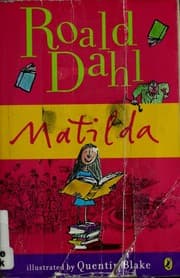
- Roald Dahl - Matilda. For Dahl's better-known child-genius and screen-adaptation path.
- Cressida Cowell - How to Train Your Dragon. For another children's book with a large screen afterlife.
- Neil Gaiman - Coraline. For a darker children's story with precise threat.
- E. B. White - Charlotte's Web. For a gentler classic that still treats death seriously.
- L. M. Montgomery - Anne of Green Gables. For a very different classic childhood voice.
§ 08 · DISCUSSION
Discussion questions
- Does Henry become generous, or does he redirect the same obsession?
- Why does the story spend so much time on discipline and method?
- How does Dahl make impossible events feel procedural?
- Which story in the collection feels least like the others?
- How does Anderson's film change the experience of Dahl's narration?
- Where does the collection become too cruel for younger readers?
- Why do these stories work well as short films?
- Who is the right reader for this collection now?
One line to remember
“Henry Sugar begins as a story about cheating and turns into a test of what a selfish man does with discipline.”— bibliotecas editorial summary, not a textual quotation
You might also like
Read next
Roald Dahl · 1988
Matilda
A funny, sharp chapter book about a brilliant child, cruel adults, a kind teacher, and the pleasure of reading as power.
Read · 4 min
Roald Dahl · 1980
The Twits
Roald Dahl's nasty little revenge comedy behind the Netflix film.
Read · 5 min
Maurice Sendak · 1963
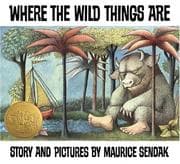
Where the Wild Things Are
A picture book about anger, imagination, wildness, and the relief of coming home to someone who still loves you.
Read · 3 min