Editor-reviewed
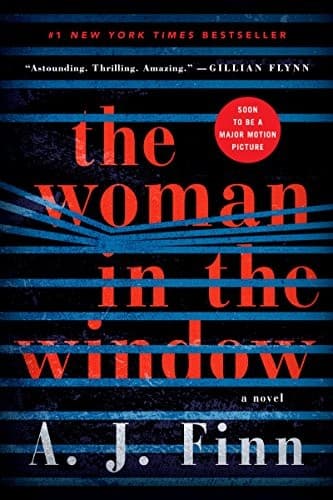
The Woman in the Window
A. J. Finn·2018·William Morrow·thriller
Reading level: Ages 16+ (adult) · 8-hour read · Beginner difficulty.
- Reading time
- 8h
- Difficulty
- Beginner
- Recommended age
- Ages 16+
- Guide read
- 6min
- Editor's rating
- 3.8 / 5
- thriller
- psychological-thriller
- netflix-adaptation
- unreliable-narrator
- domestic-suspense
— In one sentence —
The psychological thriller behind Netflix's film about a witness no one trusts.
§ 01 · WHY READ
Why read
The Woman in the Window is A. J. Finn's 2018 psychological thriller, published by William Morrow. Netflix's official title page classifies the film as based on a book, and Finn's author page identifies the novel as the source for the Netflix film starring Amy Adams.
Anna Fox lives with agoraphobia, watches old films, drinks too much, and studies her neighbors from inside her Harlem home. Then she sees what looks like a violent crime across the street, and the book asks the classic thriller question: what if the witness is right, but nobody has a reason to trust her?
Read it if you want a mainstream, film-friendly psychological thriller with clear Hitchcock DNA. It is built around confinement, doubt, and the pleasure of questioning every account, including Anna's.
§ 02 · CHARACTERS
Characters
Anna Fox is the book's whole unstable center. Her fear, grief, drinking, and intelligence make her both credible and suspect.
The Russell family gives the novel its neighborhood mystery. They are close enough to watch and distant enough to misread.
David adds another layer of unease inside Anna's own house.
The police and medical figures show how quickly a distressed woman can lose authority over her own testimony.
§ 03 · HIGHLIGHTS
Three highlights
No. 1 - Strong thriller premise. A witness no one trusts is one of the genre's cleanest engines.
No. 2 - Contained setting. The house and window turn ordinary looking into suspense.
No. 3 - Netflix follow-up value. The book gives more time to Anna's interior state than the film can.
§ 04 · EDITIONS
Recommended editions
| Edition | Why pick it |
|---|---|
| William Morrow hardcover | Original English route with ISBN 9780062678416. |
| Paperback / film tie-in | Good if you are reading after the Netflix film. |
| Ebook | Practical for a fast, twist-led thriller. |
| Audiobook | Useful if you want Anna's unreliable voice close. |
§ 05 · FIT
Who it's for / not for
Read this if you are...
- Coming from Netflix's film and want the source novel.
- Looking for a psychological thriller with an unreliable witness.
- Interested in domestic suspense, surveillance, and confined settings.
- Comfortable with a book that borrows openly from classic noir and Hitchcock patterns.
Skip it if you are...
- Sensitive to addiction, agoraphobia, violence, and mental-health distress.
- Looking for police-procedural realism.
- Frustrated by narrators who withhold or misread information.
- Avoiding thrillers that depend on twists.
§ 06 · TIPS
Reading tips
- Do not read plot summaries first. The reveal structure is most of the experience.
- Track what Anna knows firsthand. The book often turns on whether she saw, inferred, or remembered something.
- Notice the film references. They are part of the book's suspense language.
- Compare the ending with the Netflix version. The adaptation has to externalize a very interior thriller.
§ 07 · COMPARE
Read alongside
- Gillian Flynn - Sharp Objects. For another screen-linked thriller with a damaged investigator figure.
- Freida McFadden - The Housemaid. For a faster domestic-suspense lane.
- Daphne du Maurier - Rebecca. For the older anxious-house template behind many modern thrillers.
- Ruth Ware - The Woman in Cabin 10. For another confined unreliable-witness setup.
- A. J. Quinnell - Man on Fire. For a very different thriller source with Netflix demand.
§ 08 · DISCUSSION
Discussion questions
- When did you first trust or distrust Anna?
- How does the house shape the suspense?
- Does the book handle agoraphobia as character, plot device, or both?
- Which clue feels fairest after the reveal?
- How do old-film references change the tone?
- What does the Netflix film gain by making the story visual?
- Does the unreliable-witness premise still work after many similar thrillers?
- Why are window and neighbor stories so durable in suspense fiction?
One line to remember
“A woman trapped at home sees too much, remembers too unevenly, and has to make the truth survive disbelief.”— bibliotecas editorial summary, not a textual quotation
You might also like
Read next
Agatha Christie · 1939
And Then There Were None
Ten strangers, one isolated island, and the cleanest demonstration in mystery fiction that a simple setup can still produce unbearable tension.
Read · 6 min
Daphne du Maurier · 1938
Rebecca
A second marriage, a country house, and a dead woman who seems more alive than everyone around her: du Maurier turns jealousy into one of the great slow-burn suspense novels.
Read · 6 min
John le Carre · 1974
Tinker Tailor Soldier Spy
John le Carre's George Smiley mole hunt, the source novel behind the BBC series and 2011 film.
Read · 6 min