Editor-reviewed
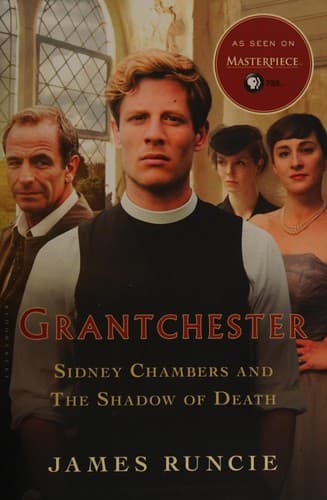
Sidney Chambers and the Shadow of Death
James Runcie·2012·Bloomsbury Publishing·thriller
Reading level: Ages 14+ (adult) · 8-hour read · easy difficulty.
- Reading time
- 8h
- Difficulty
- easy
- Recommended age
- Ages 14+
- Guide read
- 6min
- Editor's rating
- 4.0 / 5
- james-runcie
- grantchester
- clerical-mystery
- pbs-masterpiece
- cozy-crime
— In one sentence —
The first Grantchester mystery, and the clearest book entry for PBS Masterpiece viewers.
§ 01 · WHY READ
Why read
Sidney Chambers and the Shadow of Death is the first Grantchester mystery and the direct book doorway for PBS Masterpiece viewers. Bloomsbury identifies the novel as the inspiration for the PBS and Masterpiece television series, and its U.S. paperback carries ISBN 9781632862891.
The book is a set of linked clerical mysteries rather than one single chase. Sidney Chambers is a vicar who can enter rooms the police cannot, hear things suspects might not tell an officer, and then has to live with the moral cost of knowing too much.
Read it before Grantchester if you want Sidney's cases in their quieter, more bookish form. Skip it if you need a hard procedural or a mystery that keeps religion completely off the page.
§ 02 · CHARACTERS
Characters
Sidney Chambers is the vicar of Grantchester, pulled between pastoral duty and amateur detection.
Inspector Geordie Keating gives Sidney an official police counterpart and a more worldly pressure point.
Amanda Kendall complicates Sidney's emotional life and keeps the book from becoming only casework.
Mrs. Maguire anchors the vicarage with domestic authority and sharp judgment.
§ 03 · HIGHLIGHTS
Three highlights
No. 1 - Direct Grantchester source. Bloomsbury and James Runcie's official materials connect the books to the television series.
No. 2 - Gentle mystery structure. The linked cases suit readers who want crime without constant brutality.
No. 3 - Moral pressure. Sidney's role makes confession, secrecy, forgiveness, and justice part of the mystery engine.
§ 04 · EDITIONS
Recommended editions
| Edition | Why pick it |
|---|---|
| Bloomsbury U.S. tie-in | Clear PBS/Masterpiece route with ISBN 9781632862891. |
| Bloomsbury U.K. edition | Current U.K. route with ISBN 9781408857700. |
| Ebook | Good if you want the first linked cases before watching. |
| Audiobook | Useful for the series' slower, conversational mystery rhythm. |
§ 05 · FIT
Who it's for / not for
Read this if you are...
- Coming from Grantchester on PBS.
- Looking for a gentle British mystery with moral weight.
- Interested in clergy, village life, and postwar social change.
- Trying to find crime fiction that works in smaller episodes.
Skip it if you are...
- Wanting a grim police procedural.
- Avoiding church settings.
- Looking for a single long mystery plot.
- Impatient with understated 1950s social manners.
§ 06 · TIPS
Reading tips
- Treat it as linked stories. The rhythm is episodic by design.
- Watch what Sidney can ask. His clerical role changes the investigation.
- Keep the postwar setting in view. The cases are also about social repair and constraint.
- Expect the show to expand relationships. Television needs continuing arcs that the book handles more lightly.
§ 07 · COMPARE
Read alongside
- G. K. Chesterton - The Innocence of Father Brown. External root text for clerical detection.
- Agatha Christie - The Murder at the Vicarage. For another village mystery shaped by church life.
- Robert Thorogood - The Marlow Murder Club. For a newer PBS-friendly cozy mystery route.
- Colin Dexter - Last Bus to Woodstock. For a sharper Oxford detective contrast.
- P. D. James - Death Comes to Pemberley. For British crime with a more formal literary frame.
§ 08 · DISCUSSION
Discussion questions
- What can Sidney learn because he is a vicar rather than a police officer?
- Does the book treat detection as a moral duty or a temptation?
- How does the linked-story shape affect your attachment to Sidney?
- What does Geordie add that Sidney lacks?
- How does the 1950s setting shape the secrets people keep?
- Does the series work better as comfort reading or moral mystery?
- Which case best defines Sidney's method?
- How much should a TV adaptation change to sustain many seasons?
One line to remember
“A young vicar in 1950s Grantchester keeps finding that pastoral care and murder inquiry overlap.”— bibliotecas editorial summary, not a textual quotation
You might also like
Read next
Agatha Christie · 1939
And Then There Were None
Ten strangers, one isolated island, and the cleanest demonstration in mystery fiction that a simple setup can still produce unbearable tension.
Read · 6 min
Daphne du Maurier · 1938
Rebecca
A second marriage, a country house, and a dead woman who seems more alive than everyone around her: du Maurier turns jealousy into one of the great slow-burn suspense novels.
Read · 6 min
John le Carre · 1974
Tinker Tailor Soldier Spy
John le Carre's George Smiley mole hunt, the source novel behind the BBC series and 2011 film.
Read · 6 min