
Editor-reviewed
Isadora Moon Goes to School
Harriet Muncaster·2016·Random House Books for Young Readers·Children
Reading level: Ages 6–12 (middle grade) · 2-hour read · easy difficulty.
- Reading time
- 2h
- Difficulty
- easy
- Recommended age
- Ages 6–12
- Guide read
- 5min
- Editor's rating
- 4.0 / 5
- harriet-muncaster
- max-adaptation
- chapter-books
- school
- self-acceptance
For parents
More age-near children's picks
— In one sentence —
Harriet Muncaster's first Isadora Moon chapter book behind the Max animated series.
§ 01 · WHY READ
Why read
Isadora Moon Goes to School is Harriet Muncaster's first Isadora Moon chapter book. Isadora is half fairy and half vampire, and school forces her to ask whether she has to choose one side of herself. WBD's Max press materials identify the animated series as based on Muncaster's book series, and Penguin Random House lists the U.S. paperback with ISBN 9780399558238.
This is a good source guide because the reader job is practical. Parents and young readers who find the Max series can start with the short first book, then decide whether the whole series fits their child: gentle fantasy, school anxiety, family difference, black-and-pink illustrations, and a clear message about belonging without heavy moralizing.
Read it with an early chapter-book reader who likes magic but is not ready for darker fantasy. Skip it if you need a novel with older middle-grade complexity.
§ 02 · CHARACTERS
Characters
Isadora Moon is half fairy and half vampire. Her worry about school is really a worry about where her mixed identity belongs.
Isadora's parents love her but initially imagine different futures for her, which makes the school decision harder.
Pink Rabbit is Isadora's soft companion and part of the series' visual identity.
The school communities give the book its simple test: can Isadora choose a place without rejecting either side of her family?
§ 03 · HIGHLIGHTS
Three highlights
No. 1 - Direct Max source route. The official press page names the book series behind the animated show.
No. 2 - Useful children shelf. The guide adds a first-chapter-book adaptation, not another adult prestige drama.
No. 3 - Clear family decision. Parents can quickly see age fit, tone, and whether the adaptation interest should become reading time.
§ 04 · EDITIONS
Recommended editions
| Edition | Why pick it |
|---|---|
| Random House paperback | Current U.S. English route with ISBN 9780399558238. |
| Oxford University Press paperback | Original U.K. route with ISBN 9780192744319. |
| Ebook | Practical for travel or a quick sample. |
| Series bundle | Best if the first book lands and the child wants more. |
§ 05 · FIT
Who it's for / not for
Read this if you are...
- Coming from the Max animated Isadora Moon series.
- Helping a child move into illustrated chapter books.
- Looking for gentle fantasy about school, family, and difference.
- Choosing a read-aloud that will not require much plot explanation.
Skip it if you are...
- Looking for YA fantasy stakes.
- Avoiding vampire imagery entirely, even when it is playful.
- Wanting a long family read-aloud.
- Reading for adult adaptation analysis.
§ 06 · TIPS
Reading tips
- Let the pictures do work. The black-and-pink art carries much of the mood for young readers.
- Talk about choosing without erasing. Isadora's decision is not a rejection of either parent.
- Use it as a confidence book. Short chapters make it useful for children who are newly reading alone.
- Compare lightly with the show. Ask what the animation adds rather than turning the book into a recap.
§ 07 · COMPARE
Read alongside
- R. J. Palacio - Wonder. For older children ready for a school story about difference and kindness.
- Roald Dahl - Matilda. For a stronger, stranger school-and-family classic.
- Madeleine L'Engle - A Wrinkle in Time. For readers ready to move from gentle magic to bigger fantasy.
- E. B. White - Charlotte's Web. For a quieter family read-aloud with emotional weight.
- Norton Juster - The Phantom Tollbooth. For a playful next step into word-driven fantasy.
§ 08 · DISCUSSION
Discussion questions
- Why is school such a hard decision for Isadora?
- Does the book make being different feel scary, funny, or both?
- How do the illustrations change the mood?
- What do Isadora's parents misunderstand at first?
- Why does a human school make sense for her?
- What should the animated series keep from the first book?
- Which detail would a young reader remember first?
- Is this a better read-alone book or read-aloud book?
One line to remember
“A half-fairy, half-vampire girl tries to find the school where she can be all of herself.”— bibliotecas editorial summary, not a textual quotation
You might also like
Read next
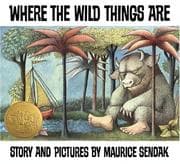
Maurice Sendak · 1963
Where the Wild Things Are
A picture book about anger, imagination, wildness, and the relief of coming home to someone who still loves you.
Read · 3 min
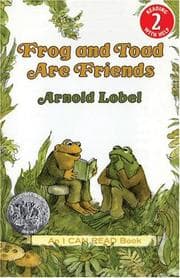
Arnold Lobel · 1970
Frog and Toad Are Friends
An early-reader classic with short chapters, gentle jokes, and two friends whose differences make the stories easy to love.
Read · 3 min
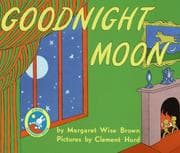
Margaret Wise Brown · 1947
Goodnight Moon
A bedtime picture book built from rhythm, repetition, soft attention, and the comfort of saying goodnight to everything in the room.
Read · 3 min