
Editor-reviewed
How to Train Your Dragon
Cressida Cowell·2003·Hodder Children's Books·Children
Reading level: Ages 8–12 (middle grade) · 3-hour read · Beginner difficulty.
- Reading time
- 3h
- Difficulty
- Beginner
- Recommended age
- Ages 8–12
- Guide read
- 6min
- Editor's rating
- 4.0 / 5
- cressida-cowell
- middle-grade
- dragons
- dreamworks
- universal
For parents
More age-near children's picks
— In one sentence —
Cressida Cowell's first Hiccup book, the children's fantasy source behind DreamWorks and Universal's dragon franchise.
§ 01 · WHY READ
Why read
How to Train Your Dragon is the first book in Cressida Cowell's Hiccup series. Universal's current home-entertainment release for the 2025 live-action film names the book by Cowell as the source, and Scholastic lists an English Hodder Children's Books edition with ISBN 9780340999073.
The book is lighter, stranger, and more comic than the films. Hiccup is not an obvious hero. Toothless is not the solemn movie dragon many viewers know first. The pleasure of the source is seeing how Cowell builds a funny, scrappy story about language, leadership, fear, and a child who survives by paying attention.
Read it before the Universal and DreamWorks films if you want the first version of Hiccup. Skip it if you need the exact emotional rhythm of the movies.
§ 02 · CHARACTERS
Characters
Hiccup Horrendous Haddock III is a small, thoughtful Viking boy expected to become something louder and simpler than he is.
Toothless is the dragon Hiccup must train, much less noble at first than the screen version.
Stoick the Vast is Hiccup's father, a chief whose expectations make Hiccup's difference harder to carry.
Fishlegs is Hiccup's friend and fellow outsider.
§ 03 · HIGHLIGHTS
Three highlights
No. 1 - Current film heat. Universal's 2025 live-action film and home release keep the franchise in front of families.
No. 2 - Strong entry point. The first book is short, funny, and easy to recommend to middle-grade readers.
No. 3 - Clear adaptation contrast. The guide helps movie-first readers understand that the books have their own comic voice.
§ 04 · EDITIONS
Recommended editions
| Edition | Why pick it |
|---|---|
| Hodder Children's Books paperback | Scholastic-listed English route with ISBN 9780340999073. |
| Little, Brown U.S. paperback | Common U.S. reading route for the series. |
| Complete series boxed set | Best for readers who know they want Hiccup's full arc. |
| Audiobook | Cowell's humor works well aloud for family reading. |
§ 05 · FIT
Who it's for / not for
Read this if you are...
- Coming from the 2025 Universal film.
- Choosing a dragon book for a middle-grade reader.
- Looking for funny fantasy rather than solemn epic.
- Interested in how adaptations change tone and character.
Skip it if you are...
- Wanting the movie's exact Toothless.
- Looking for adult fantasy worldbuilding.
- Avoiding cartoon violence and gross-out jokes.
- Expecting a long, polished heroic quest.
§ 06 · TIPS
Reading tips
- Do not expect the film plot. The book's voice and dragon dynamics are different.
- Read for comedy first. Cowell's jokes are part of the structure, not decoration.
- Watch Hiccup's methods. He notices, listens, translates, and improvises.
- Continue if the voice lands. The later books deepen the world and stakes.
§ 07 · COMPARE
Read alongside
- Cornelia Funke - Inkheart. For another middle-grade fantasy about imagination and courage.
- J. K. Rowling - Harry Potter and the Sorcerer's Stone. For a school-age fantasy gateway.
- Philip Pullman - The Golden Compass. For a sharper, older animal-companion fantasy.
- Ursula K. Le Guin - A Wizard of Earthsea. For a quieter coming-of-power story.
- Norton Juster - The Phantom Tollbooth. For playful middle-grade invention.
§ 08 · DISCUSSION
Discussion questions
- How does book Hiccup differ from film Hiccup?
- Why does Cowell make Toothless less majestic at first?
- What kind of leadership does Hiccup learn?
- How does humor change the danger in the story?
- What does the book suggest about listening across difference?
- Which changes made by the films feel necessary for cinema?
- Is Hiccup brave because he is fearless or because he is not?
- Would the story work as well if Hiccup were already strong?
One line to remember
“Cowell's Hiccup begins as a small, awkward Viking boy who has to think his way through a culture built around force.”— bibliotecas editorial summary, not a textual quotation
You might also like
Read next
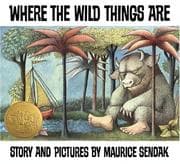
Maurice Sendak · 1963
Where the Wild Things Are
A picture book about anger, imagination, wildness, and the relief of coming home to someone who still loves you.
Read · 3 min
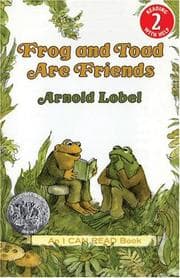
Arnold Lobel · 1970
Frog and Toad Are Friends
An early-reader classic with short chapters, gentle jokes, and two friends whose differences make the stories easy to love.
Read · 3 min
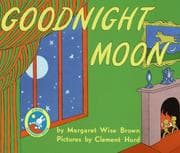
Margaret Wise Brown · 1947
Goodnight Moon
A bedtime picture book built from rhythm, repetition, soft attention, and the comfort of saying goodnight to everything in the room.
Read · 3 min